



Hands-On PSCAD Training for Real-World Engineering Problems
First PSCAD Railway Systems Training at Chungbuk National University
Practice-Oriented Training for the Next Generation of Railway Engineers

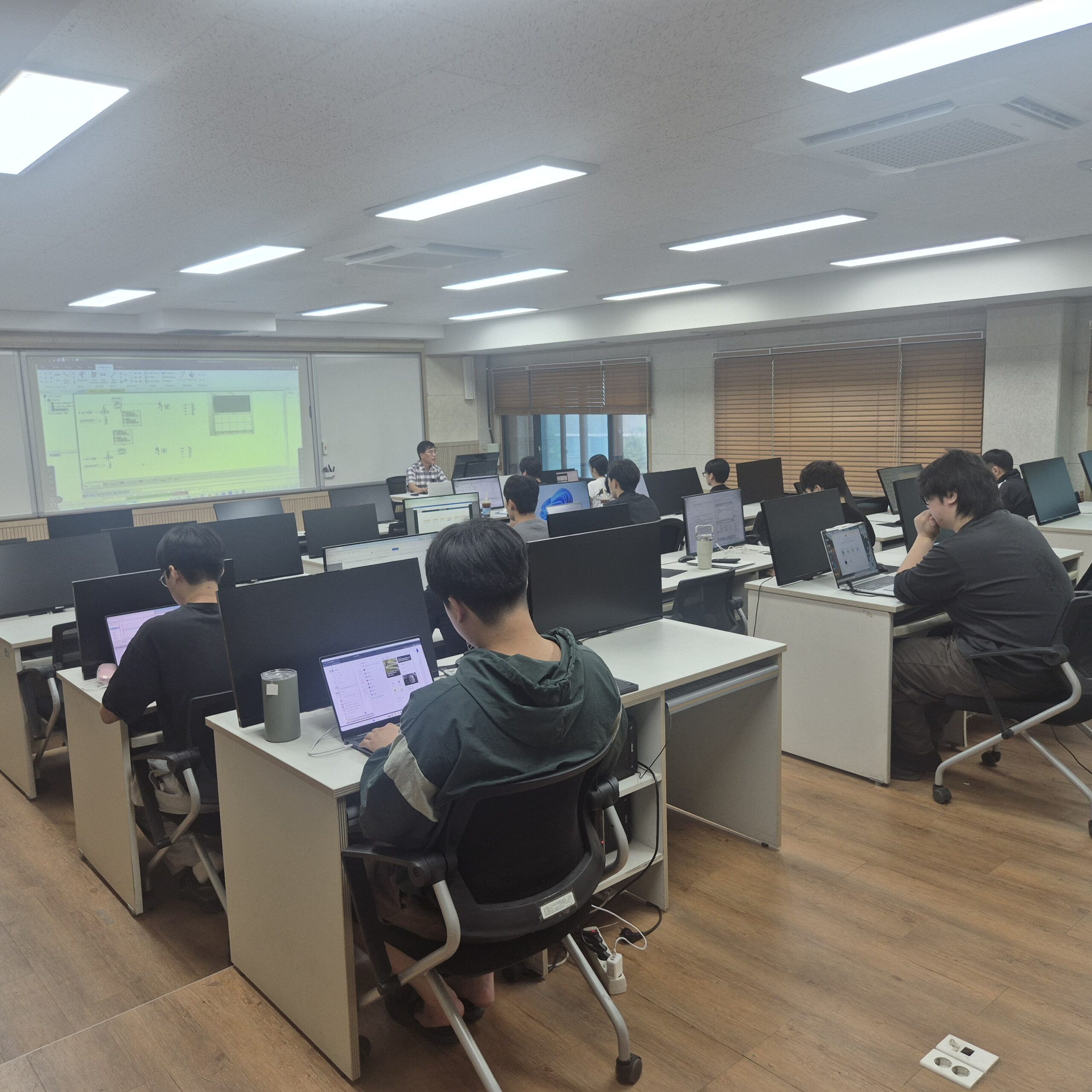
Powerlink delivered hands-on railway system analysis training using PSCAD as part of the Osong Railway Cluster interdisciplinary talent development program run by Chungbuk National University’s RISE (Anchor) Project Group.
- Dates: August 14, 20, and 21, 2026 (three days)
- Venue: Room 370, Building E8-3, Chungbuk National University
- Participants: 40 participants, including undergraduate and graduate students in the Osong Railway Cluster talent development program
- Training Provider: Powerlink Co., Ltd.
- Topic: Hands-on railway system analysis using PSCAD
Building on this training experience, Powerlink offers consultations on specialist PSCAD courses tailored to universities, laboratories, companies, and institutions.
Source: Official training completion report from Chungbuk National University’s RISE Project Group (September 1, 2026).
Specialist Training for Your Goals
From PSCAD fundamentals to modeling power equipment, railway systems, and renewable energy, we help you choose a course suited to your role and experience. Our hands-on approach focuses on turning theory into models and interpreting simulation waveforms.
1. PSCAD Fundamentals
Who Should Attend: PSCAD beginners and engineers seeking a foundation in power system analysis
Course Content: PSCAD environment and project setup; basic components; single-phase and three-phase circuit modeling; running simulations; reviewing voltage and current waveforms; and documenting results
Learning Outcome: Build basic circuits independently and explain the simulation results.
2. Power Equipment Modeling
Who Should Attend: Design, operations, and research engineers who can build basic circuits and review simulation results
- Intermediate Cable Modeling
- Intermediate Transformer Modeling
- Intermediate Protective Relay Modeling
- Intermediate Circuit Breaker Modeling
- Induction Motors and Generators
Learning Focus: Represent equipment characteristics in models and compare their responses under different operating conditions.
3. Grid Integration and Transient Analysis
- Intermediate Distributed Generation Integration
- Intermediate Railway Power System Modeling
- Intermediate Lightning and Switching Surge Analysis
- Transmission and Substation System Analysis
Learning Focus: Learn modeling and waveform analysis methods suited to the system configuration and study objectives. Let us know if you would like to cover topics such as circulating currents in distributed generation systems or transformer core saturation.
4. Advanced Power Electronics and Renewable Energy
- Intermediate HVDC Modeling
- Intermediate Inverter Modeling
- Advanced Solar PV and Battery Modeling
- Advanced Wind Power Modeling
- Modular Multilevel Converter (MMC) Development
Who Should Attend: Engineers and researchers with a foundation in power electronics and power systems
Learning Focus: Study power conversion equipment and its grid integration characteristics. Model detail and practical exercises are agreed to match your training objectives.
5. Specialist Tools and Applications
- Custom Module Development
- Enerplot
- Corona Discharge Analysis
- Arc Flash Analysis
- PRSIM and PSS/E Courses
Contact us to discuss the tools, prerequisites, practical exercises, and available dates for each course.
Choose the Right Course
For Beginners: Start with PSCAD Fundamentals, then progress to equipment-specific courses
For a Field Engineering Problem: Tell us about the equipment and your analysis objectives so we can recommend a suitable course.
For Companies, Institutions, and Laboratories: We agree the scope based on the number of participants, their experience, and your preferred topics.
From Consultation to Training
- 1. Request a Consultation: Share your preferred course, role, PSCAD experience, group size, and dates. If you are unsure which course to choose, describe the engineering task you want to address.
- 2. Agree the Content: We discuss course content and practical exercises suited to your experience and goals.
- 3. Confirm the Arrangements: Review the schedule, venue, fees, computer requirements, and software licensing arrangements before enrolling.
- 4. Take Part: Learn to build models and interpret simulation results.
Training FAQs
Can I join if I am new to PSCAD?
You can start with our fundamentals course. Tell us about your power systems background and software experience, and we will recommend a suitable starting point.
Can training be tailored to our work?
We can discuss customized training around your equipment and study objectives. Start with an overview that you are authorized to share.
When will I receive details of fees and requirements?
When we agree the course, group size, and scope, we will explain the fees, computer requirements, software version, and licensing arrangements.
Training Arrangements and Registration
- Format: We offer small-group practical sessions and larger classes according to group size.
- Small Groups of Up to 5: Training is held at Powerlink. Venue: Powerlink (KEPRI training venue).
- Groups of 10 or More: PSCAD Training Room 370, Building E8-3, Chungbuk National University.
- Groups of 6–9: Venue and format are agreed separately.
- Schedule and Duration: Courses are generally based on three days (18 hours). Course structure and detailed schedules are discussed during consultation.
- Requirements: Computer requirements, software version, and licensing arrangements are provided after your application.
- Fees: Fees depend on the selected course, scope, and group size.
- Practical Outcomes: Depending on the course, you will build models, compare waveforms, and interpret results. Details of supplied materials and their permitted use are provided for each course.
In your application, please include your preferred course, role, PSCAD experience, group size, and preferred dates.